Summer Sizzle

Wow. I mean WOW. Summer is So Much!!!!

First of all, we are not even halfway through our Circle Forest project implementation, and our programming has already been bringing lots of people to the little magical forest where our amazing volunteers have cleared out garbage, English Ivy and Garlic Mustard, spread wood chips for paths, created benches, and planted native trees and understory plants.

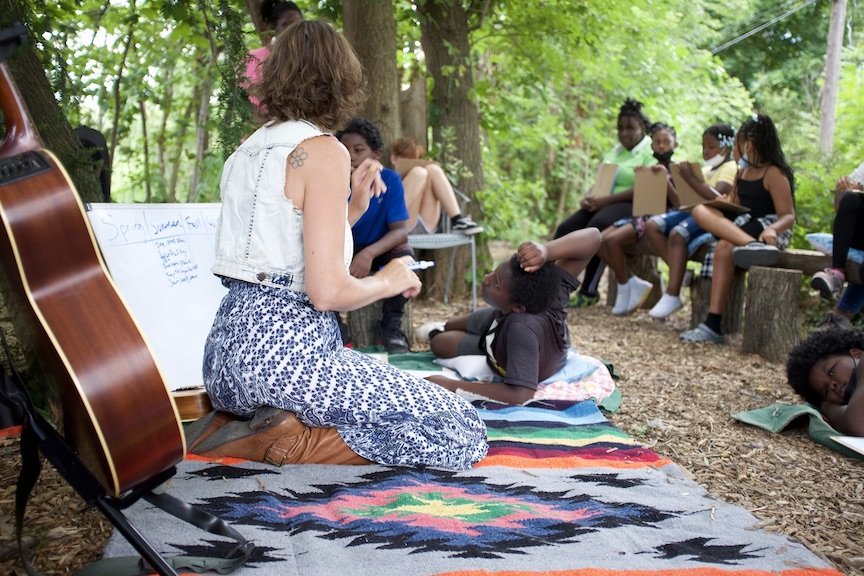
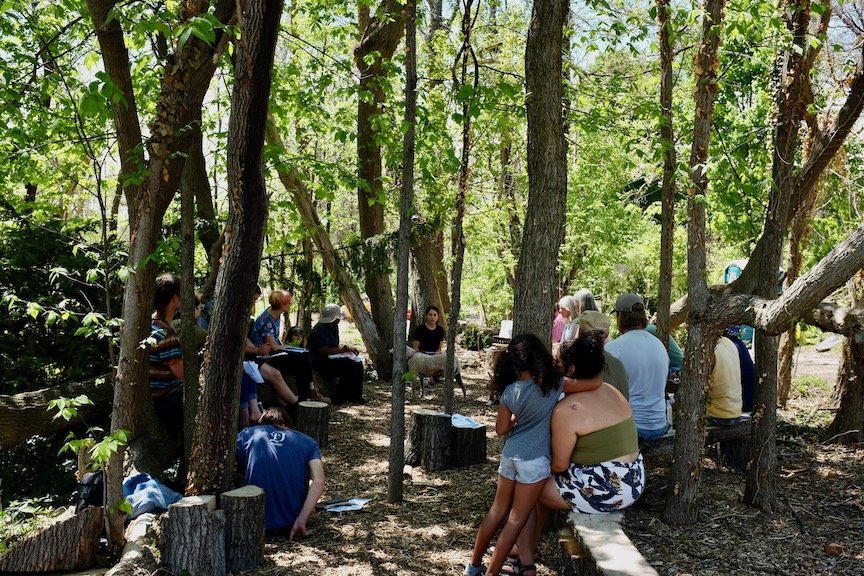
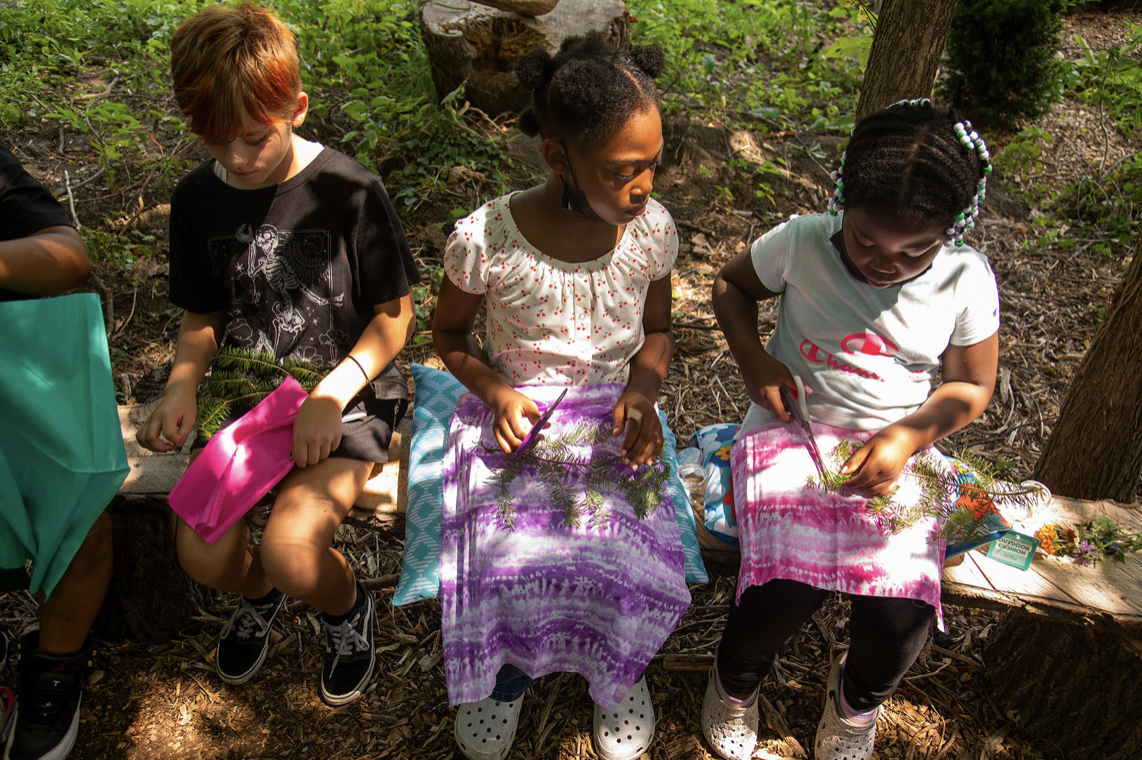
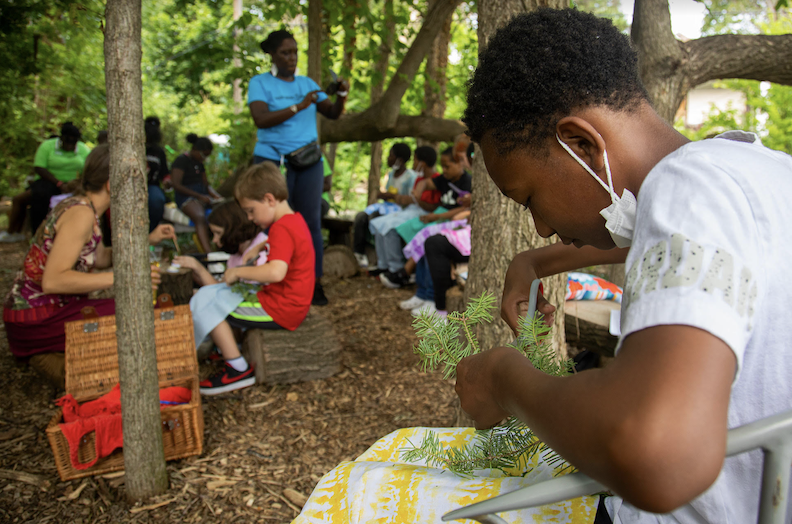
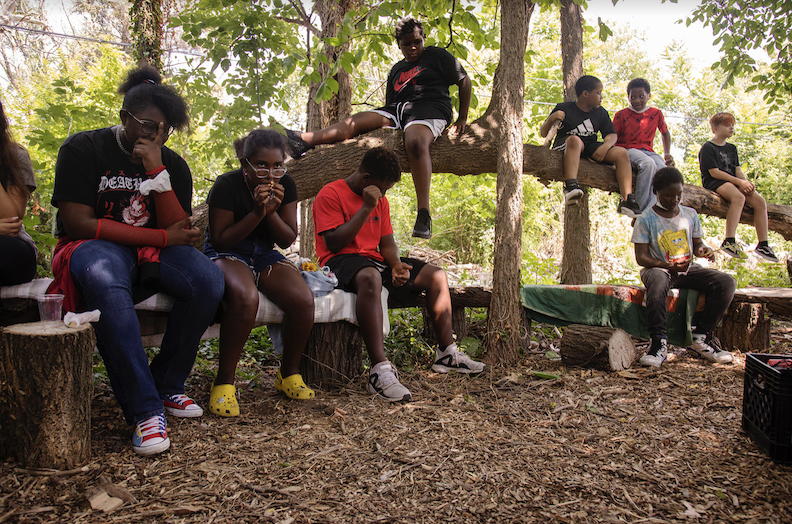
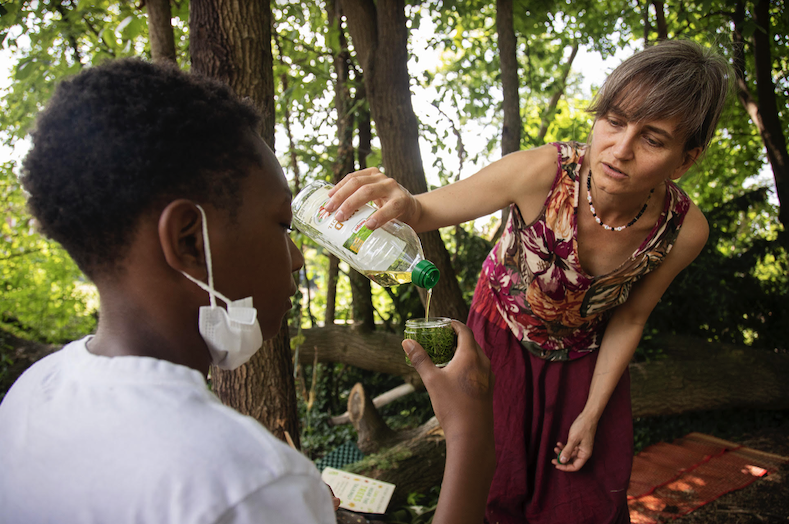
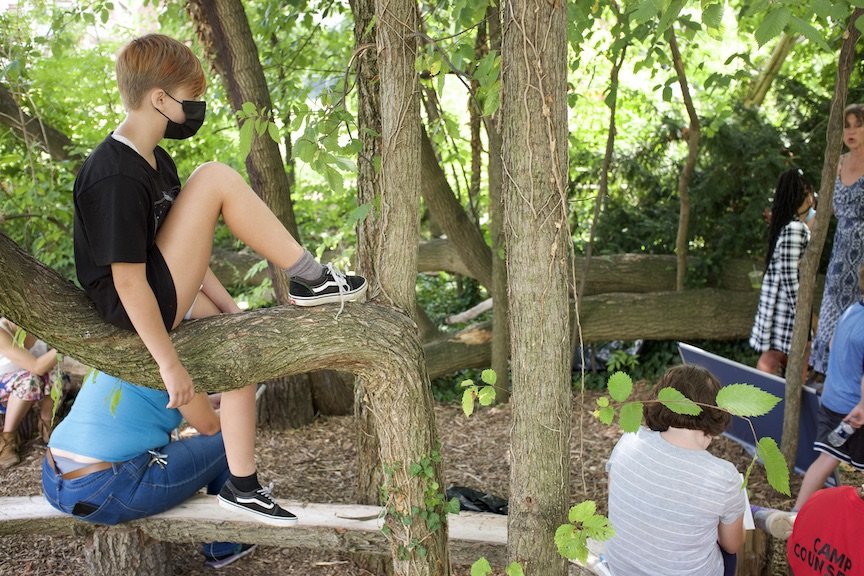
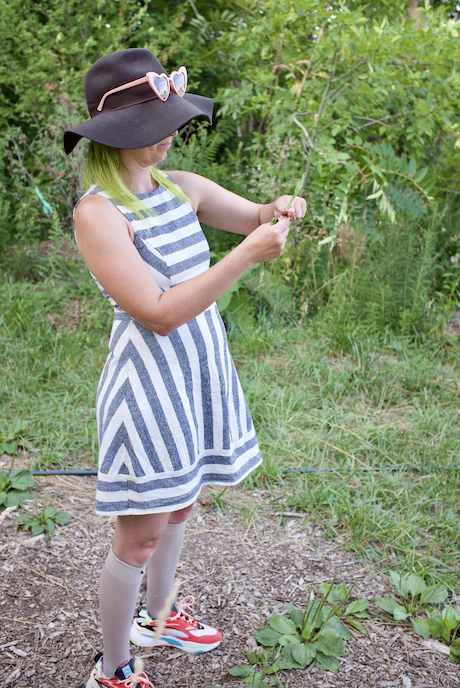
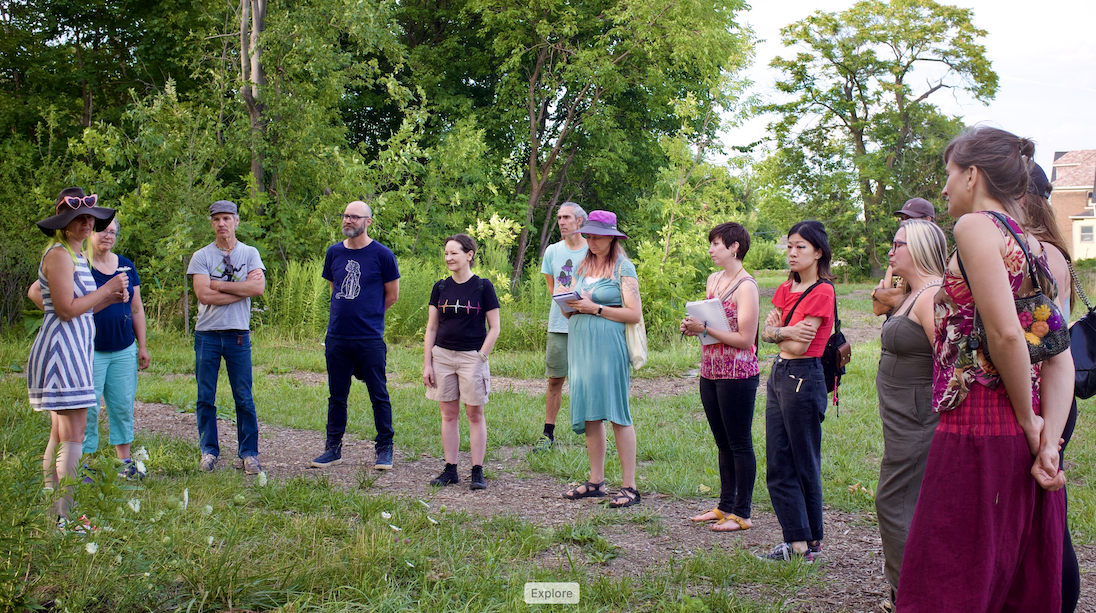
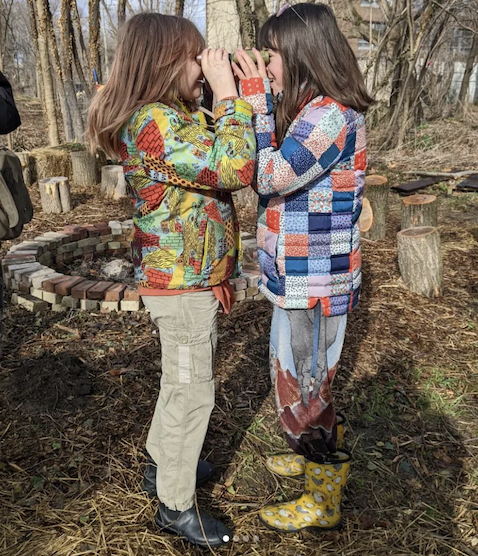
Here are a few pictures of some of the workshops and events we’ve had so far.
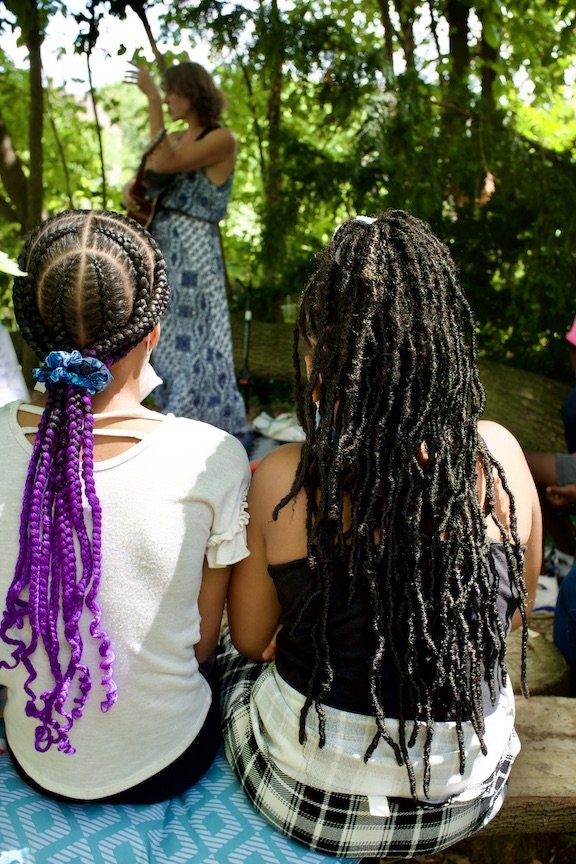
Check out the upcoming events on our Events page. Below are just the kid’s programs - share them with the children in your life!

This week is one of the busiest, with a Family Music workshop on Friday, and a Pollinator Walk and Music Jam on Saturday.


In July we received the AARP Livable Communities Grant, that funds the installation of an ADA accessible board walk connecting the path from Elmwood to the little forest in the center of Circle Forest.

Construction of the board walk will begin this month, and construction of the ADA accessible paths and plazas on the West side of Circle Forest is beginning in September. We are looking forward to being able to invite everyone from the Mission Point care facility next door to come and visit Circle Forest. There is a plan for a history/music event with songwriter Audra Kubat specifically for the elderly of Mission Point for the fall or the spring, and a birdwatching lesson for the spring, with more ideas brewing.


Lots of trees will be planted this fall! We’ll be looking for volunteers to help. We are also planning Sister Tree plantings with a couple of teachers in local schools. If you know anyone who would like to plant trees with their students, please connect them to us!

For now we are continuing to mulch the trees so the soil retains more moisture on top of their roots, and watering like mad to make sure everyone is staying alive in this heat. If you need a couple hours of quiet time spent nourishing trees with life giving water, give us a shout, we can find the time for you to do that.

Woman crouching under a big tree, smiling and firming the soil with her hand around a native sedge plant

Our volunteer Michelle Serreyn planting Plantain-leaved Sedge she donated to the Circle Forest project this Spring. Wherever we removed English Ivy, we are planting Native seedlings. Thank you Michelle!


We have hired our first Park Maintenance / Volunteer Engagement Assistant. We are so happy to work with Robyn, who lives in the neighborhood, loves trees (favorite: Weeping Willow), and has a friendly, open and curious personality. She leads Volunteer days with Birch, waters the trees, weeds around them, and is psyching up to learn to use the riding mower :)
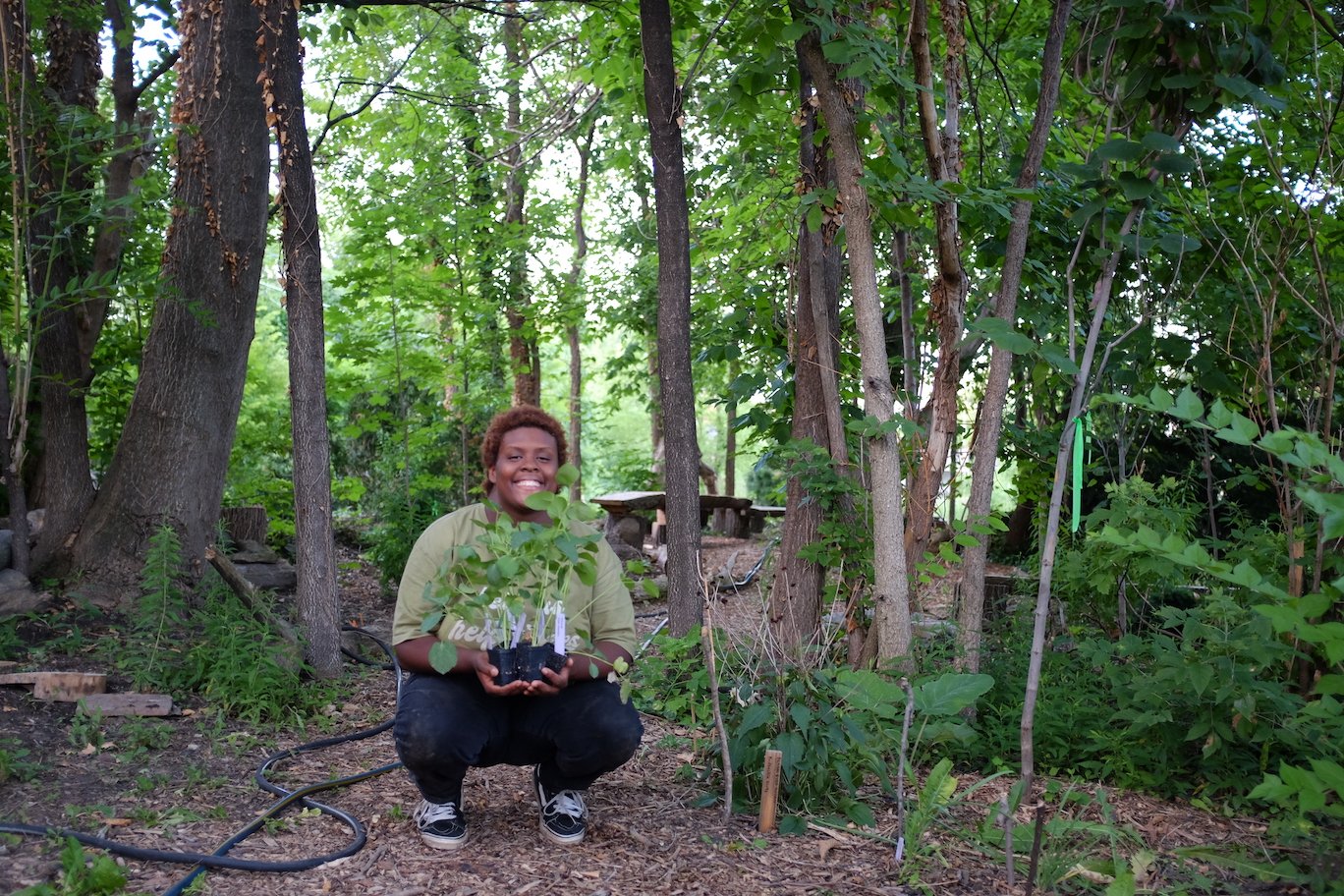
Robyn in Circle Forest, smiling and holding a tray of Golden Alexander seedlings

Robyn holding a tray of Golden Alexander seedlings donated to us by the Yardeners of St. Claire Shores. These native plants are joining many others in Circle Forest, beginning to reclaim the territory from English Ivy, who had just about taken over the entire understory.


If you would like to get email notifications about programs and volunteer opportunities, you can add yourself to our email list here.

If you would like to support the Arboretum with a donation, you can do that here.

Follow us on Instagram and Facebook for continuous updates. @arbdetroit

We always welcome any feedback you have, email us at treetroit@gmail.com!

Birch
Catching up with Spring

The Stumpscape at Circle Forest is a demonstration of the importance of woody debris in the forest.

Happy Spring!

Circle Forest is full of birdsong. In fact, we have begun our educational Birding Workshop series, led by Detroit Audubon. We’ve had an Intro to Birding One and Two, and more are coming up. These are free of charge and open to the public, thanks to the NFWF grant we received last year.

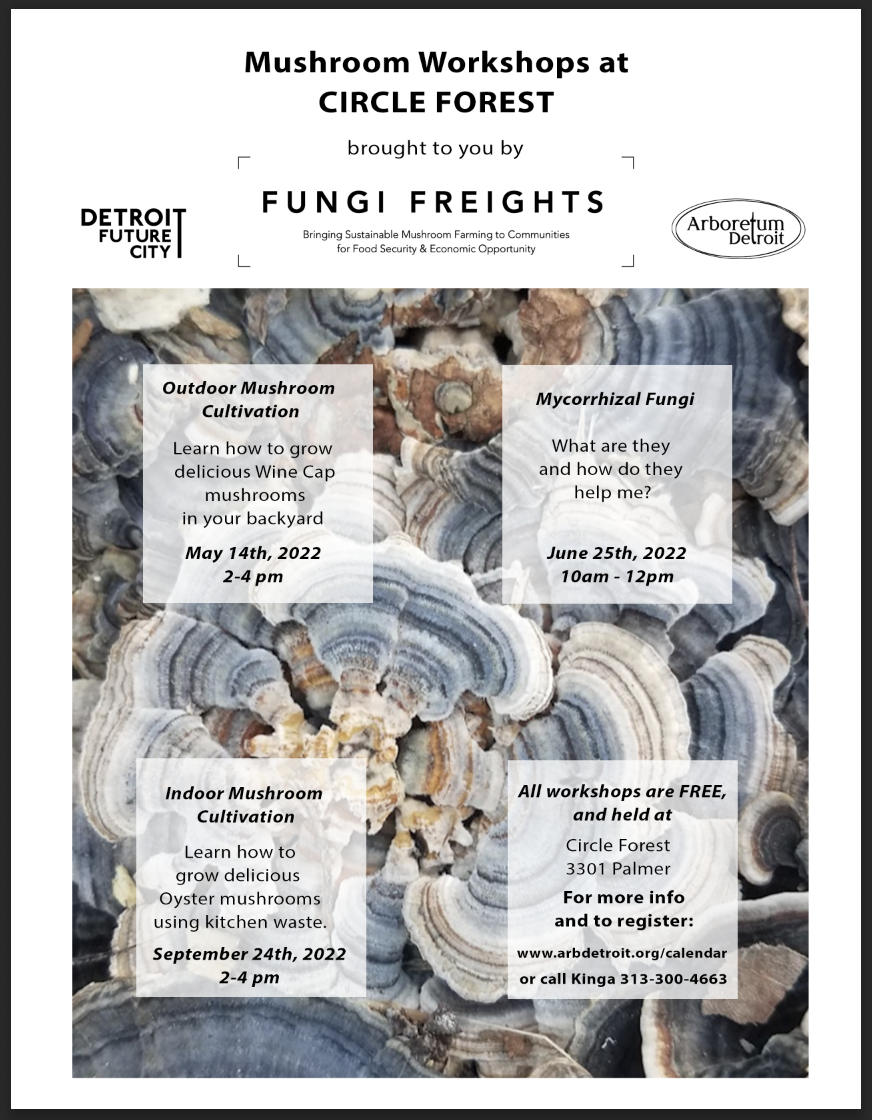
Free Mushroom workshops are also coming this year, led by Fungi Freights. Everything is in our Event Calendar on the website, if you know someone who would enjoy attending these, please let them know!


More dates are in our Calendar


We have been removing English Ivy from Circle Forest with the help of volunteers, getting ready to plant dozens of native tree saplings into the forested area on Earth Day. You can help too, by coming to a volunteer workday, or spreading the word to others who can come. These dates are also in the Calendar.

This spring will also bring heavy equipment to the space: the open grassy areas will be graded for gravel paths and ADA accessible paths and a couple of gathering plazas. There will be circle ditches dug into the ground in places and the soil mounded up in the center for a change in perspective. The ditches will be filled with better soil - remember we are working on the sites of poorly demolished residential dwellings, with lots of clay and debris filling in the old basements! This fall we will plant over a hundred native trees into these rings amended with mycorrhizae that will help the trees’ roots take up nutrition, and form tree communities.

The rest of the areas that are now crabgrass will be plowed and seeded with a native wildflower mix, courtesy of National Fish and Wildlife Fund and Detroit Audubon, our partners in the project.

New England Aster with honeybee

And here are some highlights from 2021.

For a full report you can see Annual Reports on the website coming soon.


We supported six “Greenspace Partners” in the neighborhood with dozens of trees:

18 were planted by Kt and Monk in their Community park, 14 were planted by neighborhood volunteers at Princess Dennis’ Elder Park, Sarah Addae planted 14 at Field Temple, Amos Kennedy planted 16 at his Pile of Bricks Printmaking Studio, Scott Hamilton “Snot” (not pictured) planted 15 trees adjacent to Callahan Park, and Julian and Erin (not pictured) planted 12 trees in their yard.


On Earth Day 2021 we planted 300 native saplings into the Neighborhood Nursery, 100 of which are going to Circle Forest this year.


We commissioned Detroit artist Jozie Bullard to paint a mural of Nobel Peace prize winning Kenyan activist/tree planter Wangari Maathai for the Neighborhood Tree Nursery. The mural is nearing finish, and will be installed this Spring!


We purchased 9 lots from the Land Bank to expand tree space in 2021. 6 of them are outlined here in red, and three of them are part of Circle Forest five blocks North. These lots will help us get closer to connecting the Neighborhood Green Loop. They will be planted with trees this year. The lower left corner of the image is Treetroit 1, the upper left is Wawyeyawen.


If you would like to get involved, please feel free to email us at treetroit@gmail.com.

You can come visit and enjoy the trees and the birds.

You can attend a Volunteer Workday, or a Birding or Mushroom Workshop. All these dates are in the Calendar.

You can follow us on IG or FB @arbdetroit, and spread the word.

You can Donate via PayPal or Venmo (@arbdetroit), or mail us a check.

You can wear an Arboretum Detroit T-shirt or Hoodie and rep for us.

You can talk to us, and give us your ideas, your feedback, your love, your criticism (constructive pls), etc.


Trees are the Answer

 
Birch
In Log Raft News

 Even if you have not heard the term “nurse log”  you have likely seen them on your hikes in the forest. These are the fallen trees who surrender themselves to the forest. Some people can’t see the forest for the trees; well, these trees can’t see themselves for the forest. These are trees that have dissolved their egos, if trees ever do have egos. By this metaphor I mean to say that  more than individuals in the forest, the trees are forest. This is especially evident when the tree no longer stands with the attributes of an Oak, a Maple, or a BIrch, but is halfway to soil, subsumed by the other trees who now relish her sponge of nutrients and moisture.

Forest is forest; it’s not just a bunch of individual trees. When trees fall they are still and ever a part of the forest. The fallen limbs, leaves, and trunks become both giant vitamins and drip irrigation systems. The wood lays on the floor spending perhaps another hundred years soaking up water and cooling the soil below as it decomposes and becomes home to fungi, moss, bacteria, lichen, plants, trees, invertebrates, ants, snails, birds, rodents and many more beings that we cannot see, and thus a decomposing trunk is likely to comprise about 40% living cells, whereas a standing tree is only likely to have only about 5%. This is because life in a standing tree resides mostly in the cambium, the outer growing layer just under the bark. Really makes one ask the question: what do we mean by “alive?” I can’t look at a tree on the ground and call her “dead.” It’s truer to call them hosts, nurse logs, or nursery logs. These are the spaces where life is most abundant. And this is why coarse woody debris is an integral part of the forest. Without it what we have is at best a park or a tree farm.

These fallen trees stabilize the forest and the landscape. On hillsides and mountainsides fallen trees prevent the sliding of soil; they capture and hold the organic matter rather than allowing it to wash down the slope. These trees have spent a lifetime sequestering carbon from the atmosphere and storing it in their wood; when they fall they offer this carbon to the saprotrophs who fix it into the soil. Aren’t trees endlessly amazing? We are finally beginning to watch trees closely enough to learn their valuable teachings about how to live on this planet. They have been here for around 370 million years compared to we who just got here 300,000 years ago. Is it any wonder that we struggle to imagine the experience and knowledge trees possess about relation to Earth? They are so generous, so humble, and yet the most exquisite technology the world will ever know.

Do you remember the “conservation of matter” grade school from elementary science class? Nothing enters or leaves the system of the Earth. That gave me a lot to consider when I first heard it. It gives me a lot to consider even now. When I think about old growth forests, the ones that have been allowed to just be forests, I see this concept at work. True forests just fold in on themselves, rise and fall in waves just like the ocean in infinitesimally slow motion. We barely know what this looks like or what happens here because we (modern human settler colonists anyway) saw only resources and began cutting. As soon as we pulled the first timbers from these forests the system was disturbed, the chain interrupted. When we removed everything and left barren earth whole ecosystems vanished. We undid millions of years in about one hundred. Now we are left with only these tiny rare pockets of true forest. Capitalism can leave nothing alone. Capitalism doesn’t look back or take responsibility. So, how can we see what it’s done to our planet and to ourselves? Can we let them be? We struggle to give forest even a hundred years to begin to sing again?

All this to say that one of the lessons of the Circle Forest is the conservation of matter. We are not taking anything out of the forest except the garbage that has accumulated over the past few decades. We are using the project to demonstrate the power of fallen trees and coarse woody debris to generate life. Any invasives that were cut, or trees that have fallen remain in the forest to give themselves back to the forest. Even if this Siberian Elm is deemed invasive and is not allowed to propagate here as a Siberian Elm, she is still a welcome part of the forest, hugged by fungi, moss, and lichen until she is subsumed by the Oaks and Pines who replace her.

What this means for the Circle Forest is that we are looking at ways to organize the woody debris in a way that keeps it out of footpaths and puts it into the consciousness of visitors. We want an aesthetic demonstration of nurse logs and their importance. We are very excited and inspired by this puzzle. We are building a log raft, a stump scape, and a forest critter path. The challenge has been fruitful and fun. This is just one of the ways that we are assisting this forest in being her best self.

Birch